Educational Guides
From diamonds to precious metals, the world of jewelry is full of important details.
Our diamond and precious metal education guides below were created to help you shop with greater confidence and clarity.
Diamond Education Guides
Buying a diamond starts with understanding it. Our diamond education guides below are written to help you make an informed decision.
The 4Cs of Diamonds
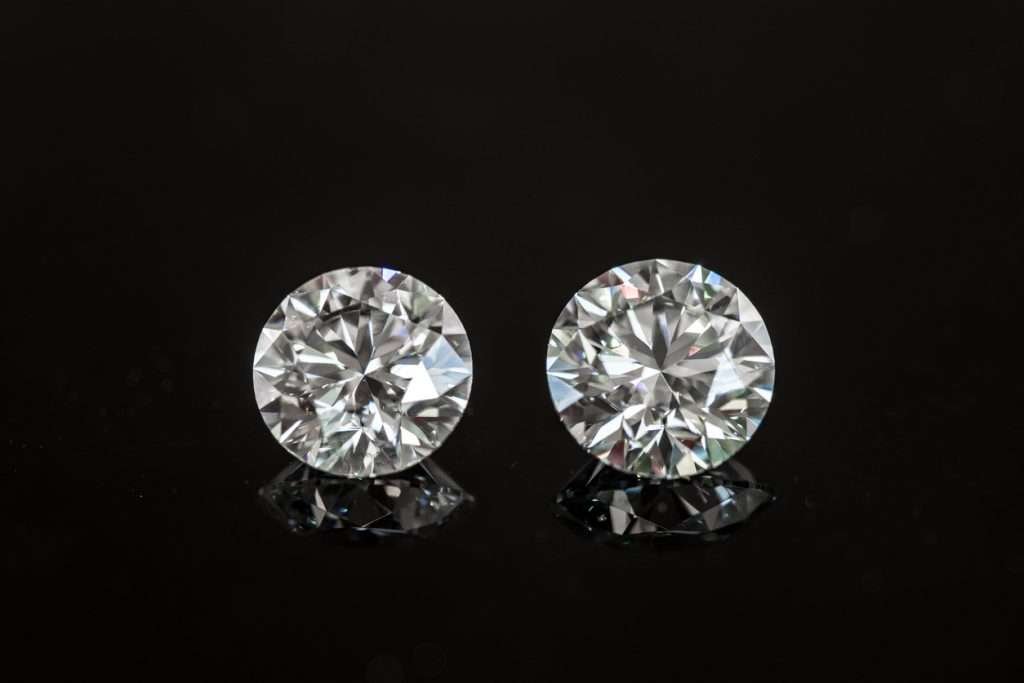
In the jewelry world, diamonds are graded upon the 4Cs – Color, Clarity, Cut, and Carat. Each one of these qualities describe important characteristics of a diamond, and give a way to measure its beauty and value.
Color
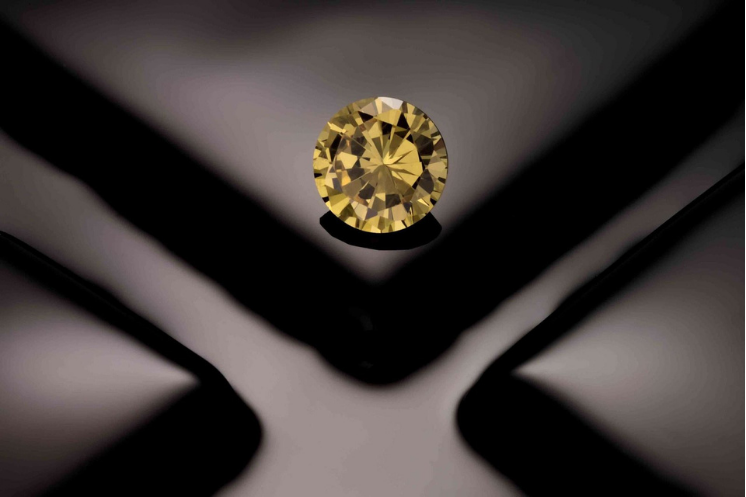
Color refers to the absence of color within a diamond. Diamonds come in a range of different hues. Generally speaking, the less color a diamond has, the higher its value.
Clarity
A diamond’s clarity refers to the absence of imperfections that may be present within a given stone. The less imperfections, the higher the clarity.
Cut
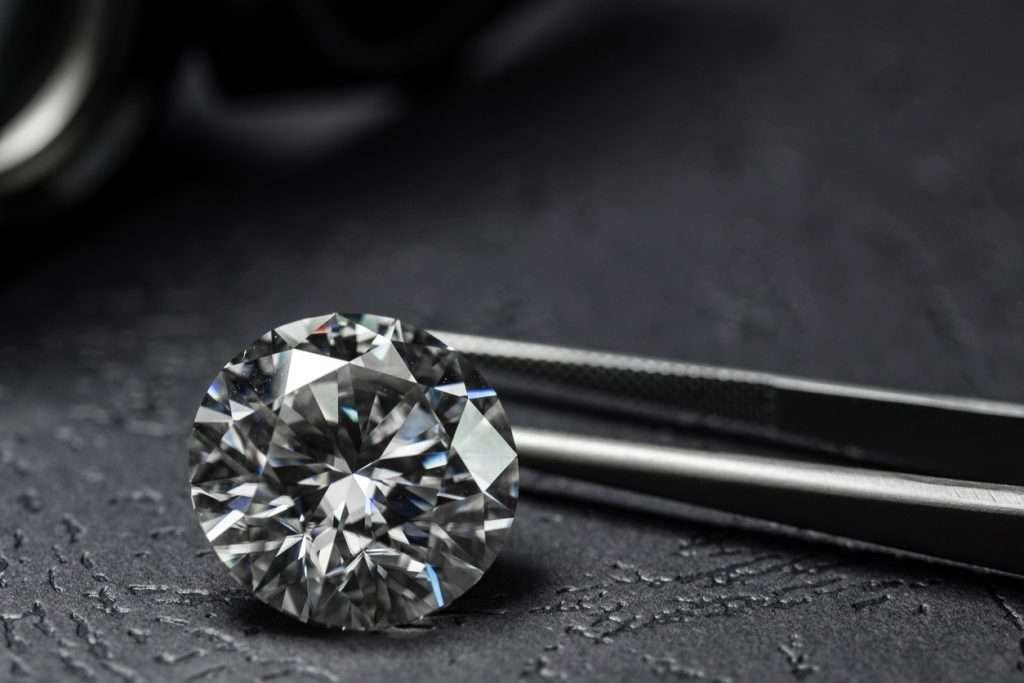
Arguably the most important C of all, the cut refers to how well a diamond has been faceted to reflect light. This characteristic has the greatest impact in influencing a diamond’s sparkle.
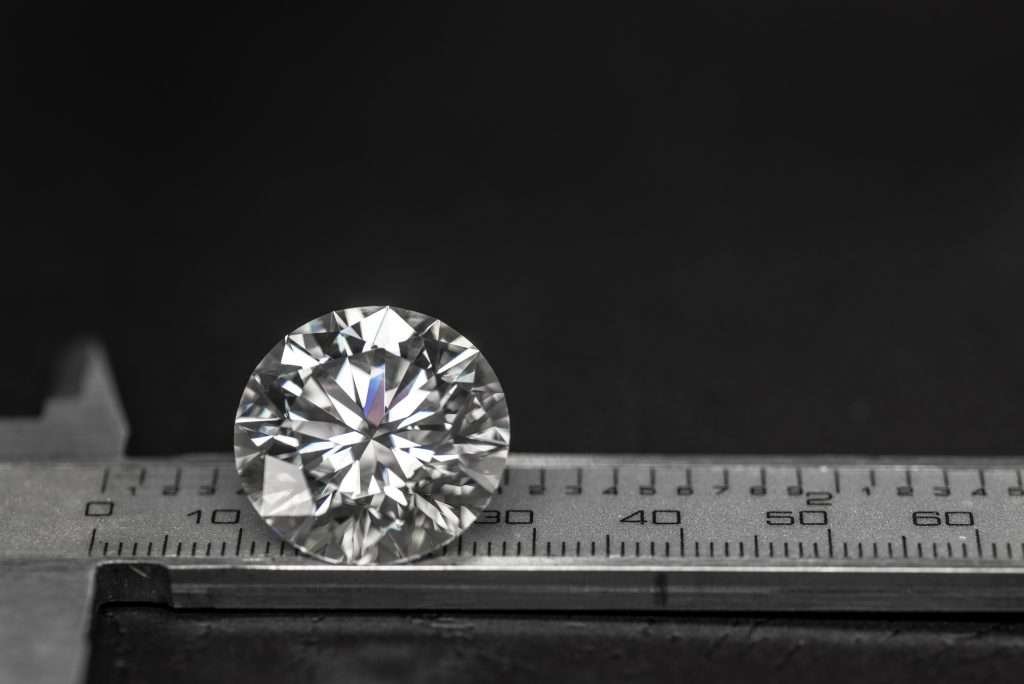
Carat
When it comes to a ring’s beauty, diamonds are only part of the equation – how they’re set on the ring matters too.
Brilliance, Fire, & Scintillation
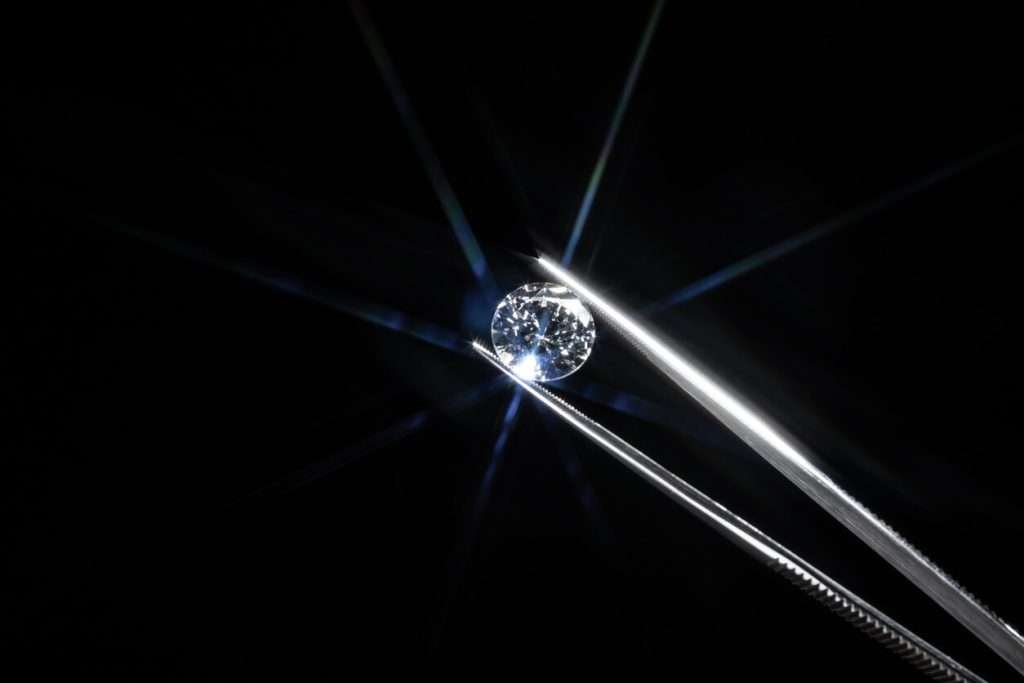
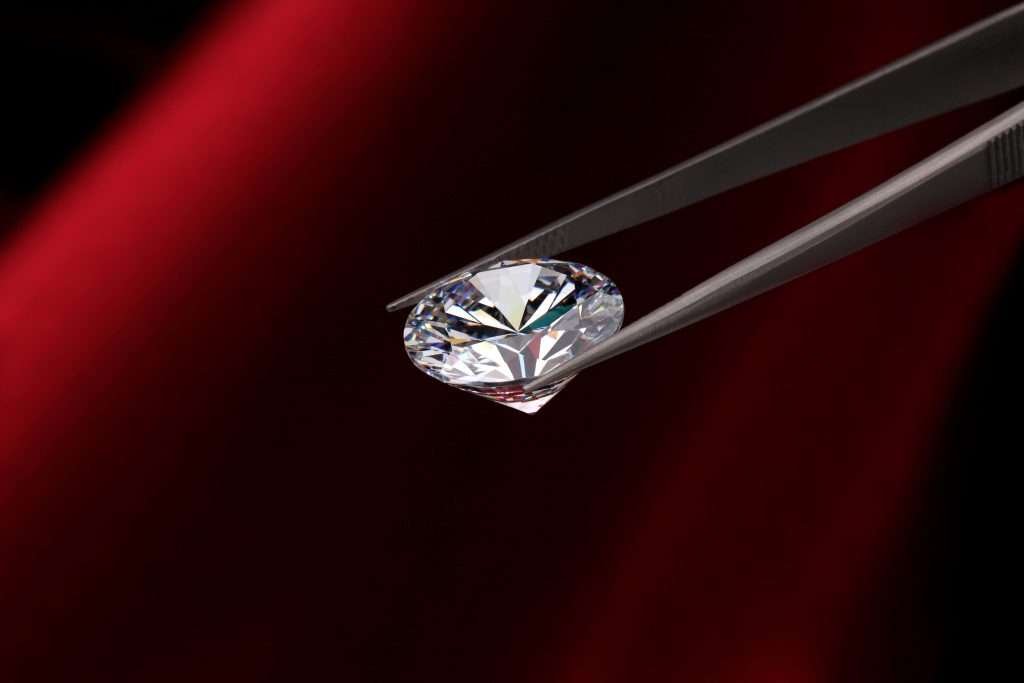
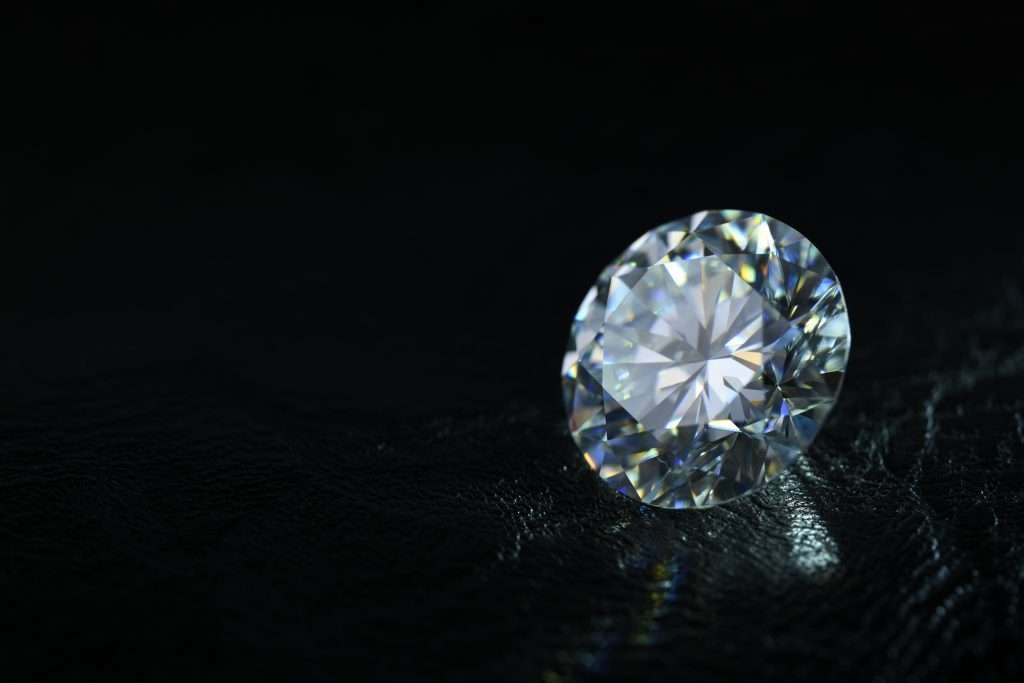
Brilliance, Fire, and Scintillation – these three qualities describe the hallmark sparkle that diamonds are known for.
Diamond Shape Guide
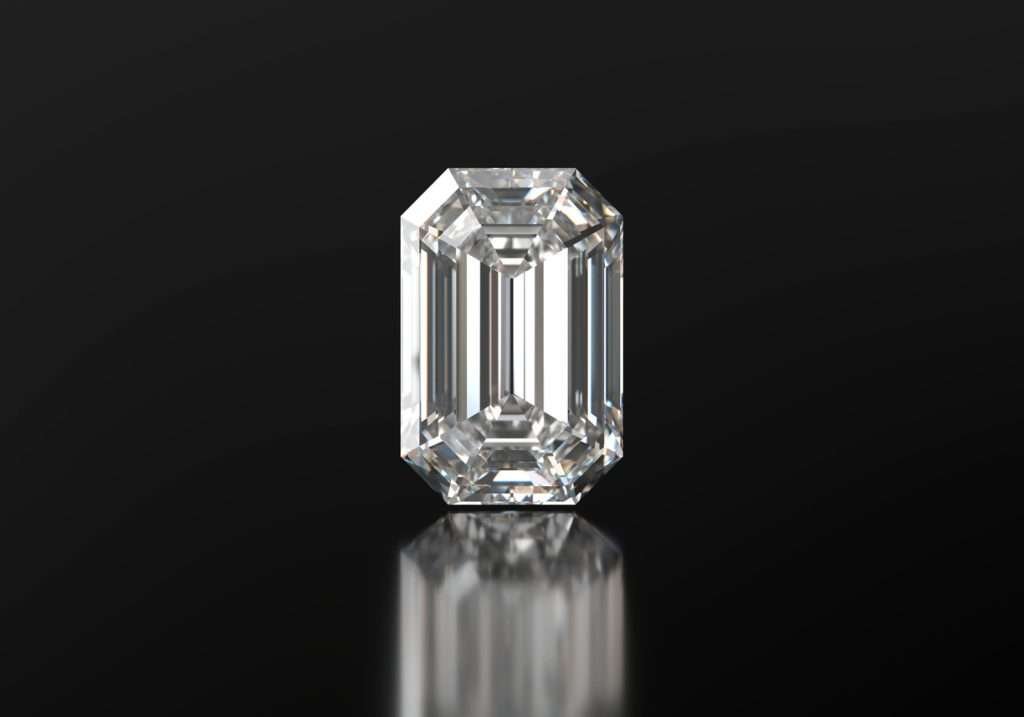
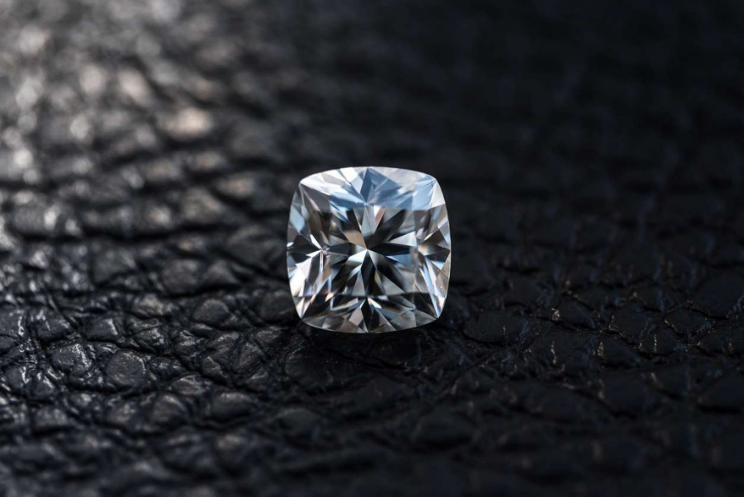
A diamond’s shape has a profound effect on the overall aesthetic of a given piece.
Ring Setting Guide
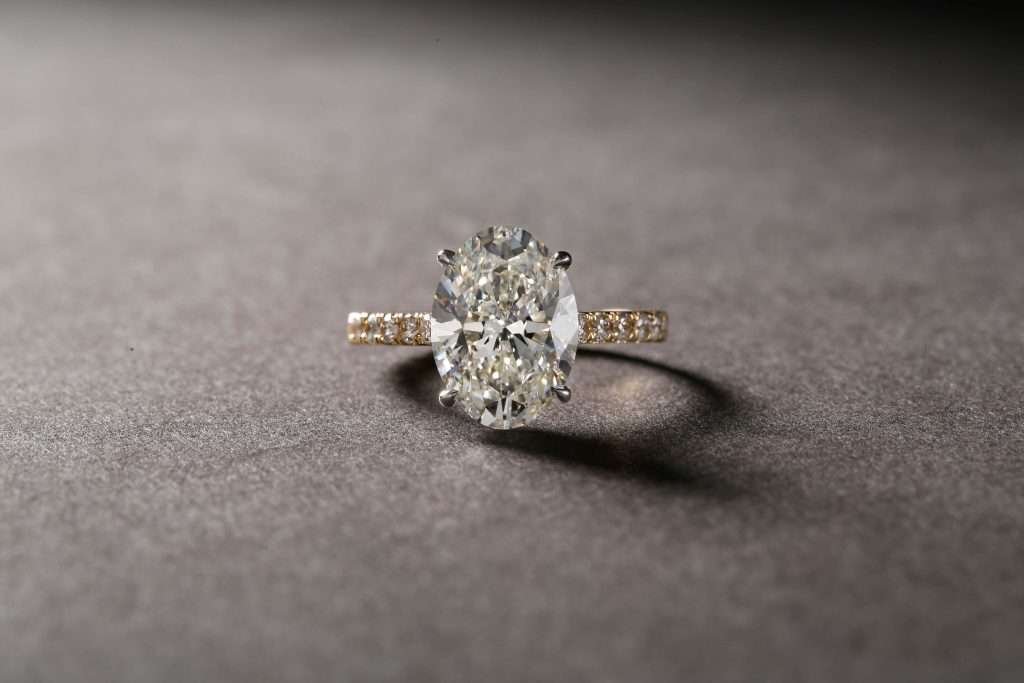
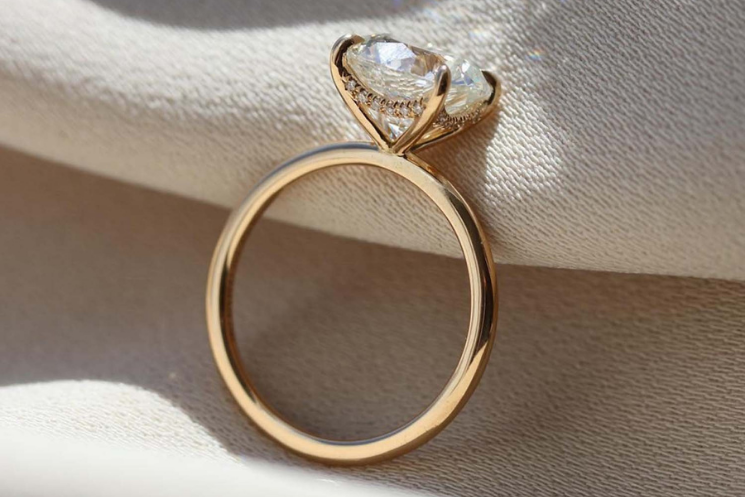
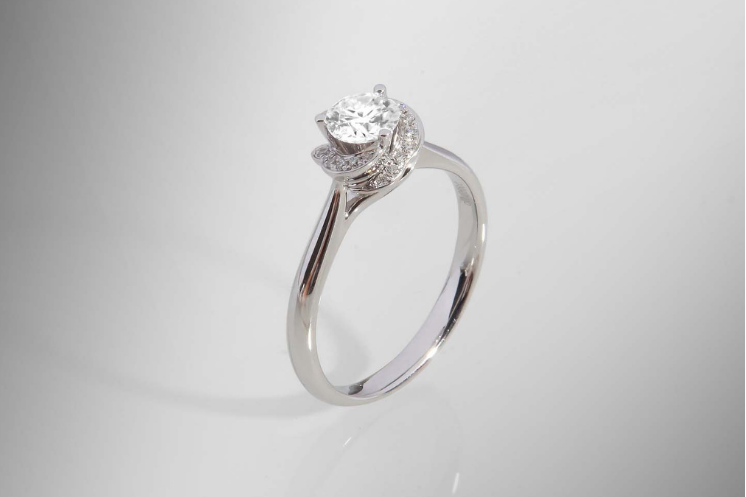
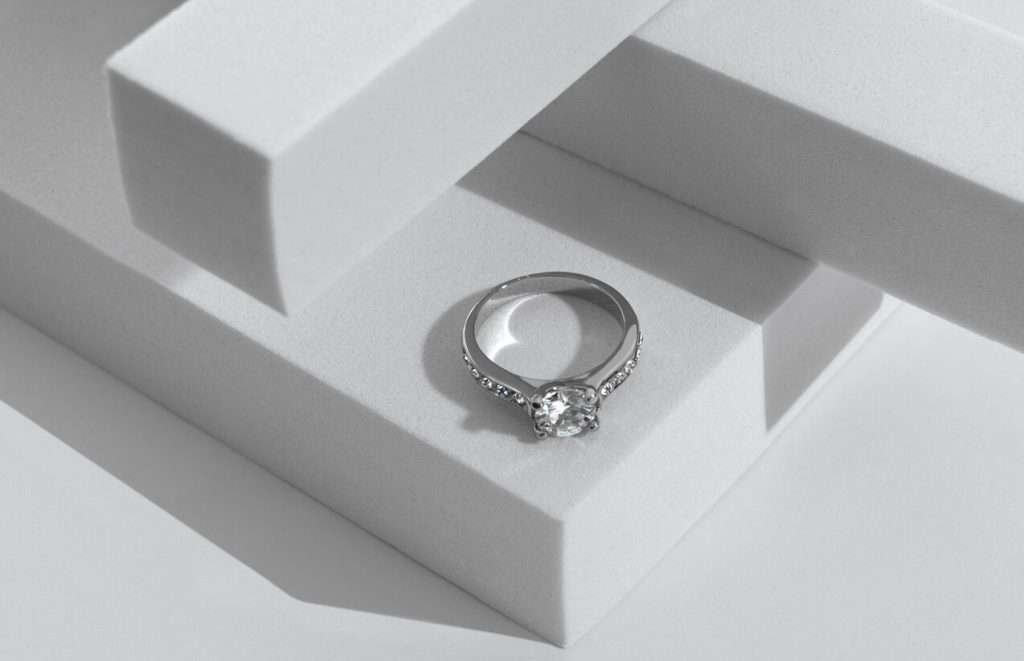
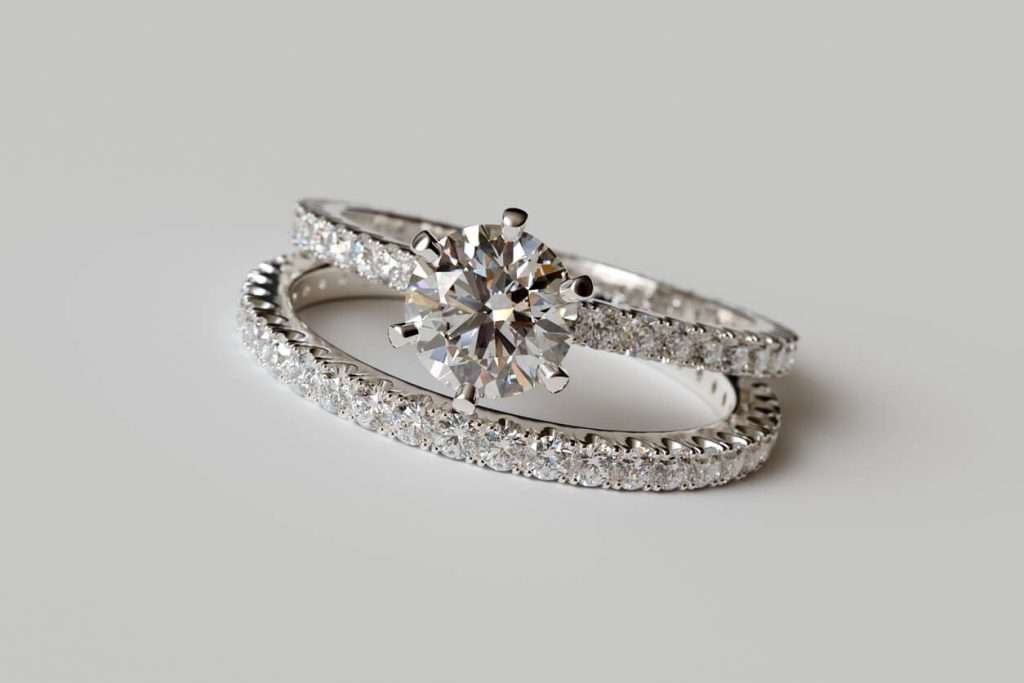
When it comes to a ring’s beauty, diamonds are only part of the equation – how they’re set on the ring matters too.
Diamond Anatomy
The form of a diamond is intentionally designed. Explore the anatomy of the various parts of a round brilliant stone.
Diamond Fluorescence
An interesting phenomenon, diamonds fluoresce under UV light. Learn about what this means and how it can influence the look of a given stone.
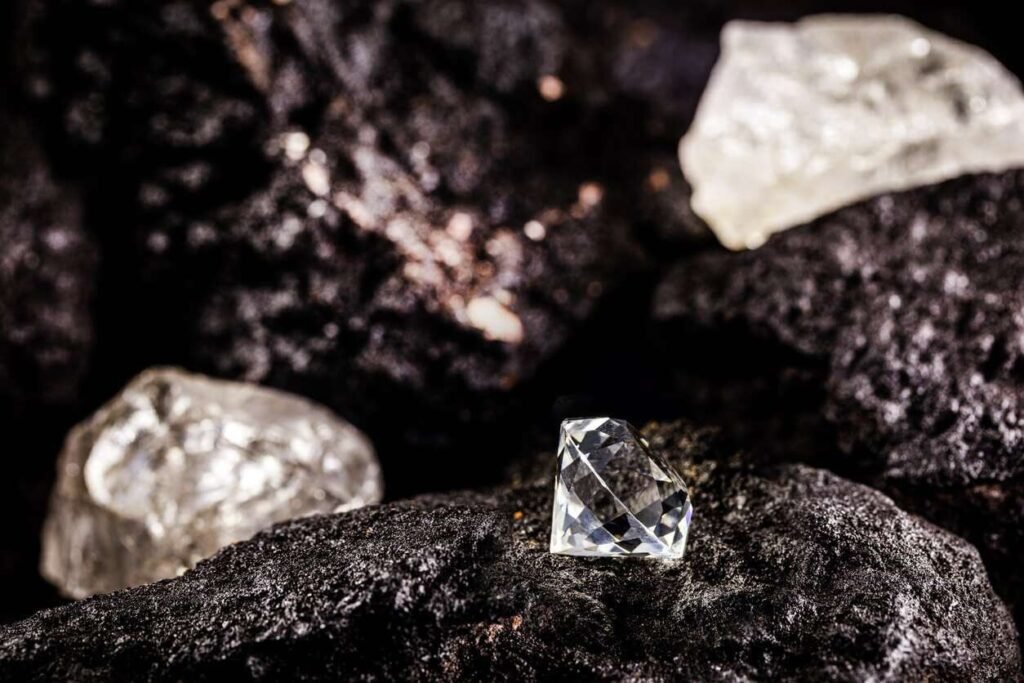
How Diamonds are Formed
Learn about the fascinating journey diamonds take to go from the earth to the showroom.
Lab Grown Diamonds 101
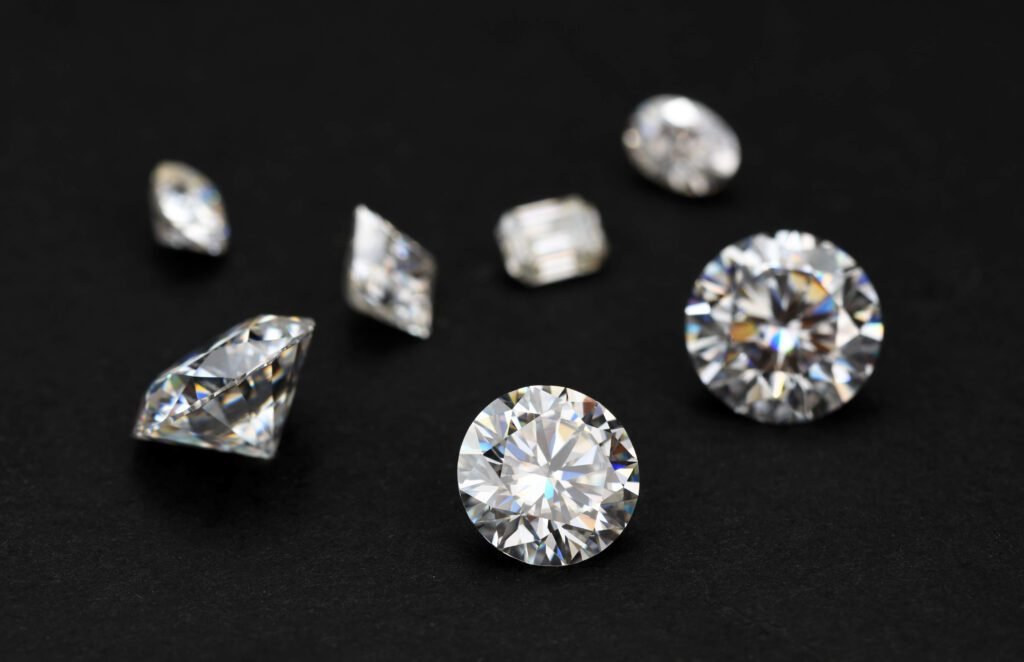
Are Lab Grown Diamonds real diamonds? How do they compare to their natural counterparts? Learn all about it in this introductory guide.
Jewelry Metal Guides
Choosing the right jewelry metal matters. Explore our guides below to better understand the care, value, and differences between each metal.
Yellow Gold
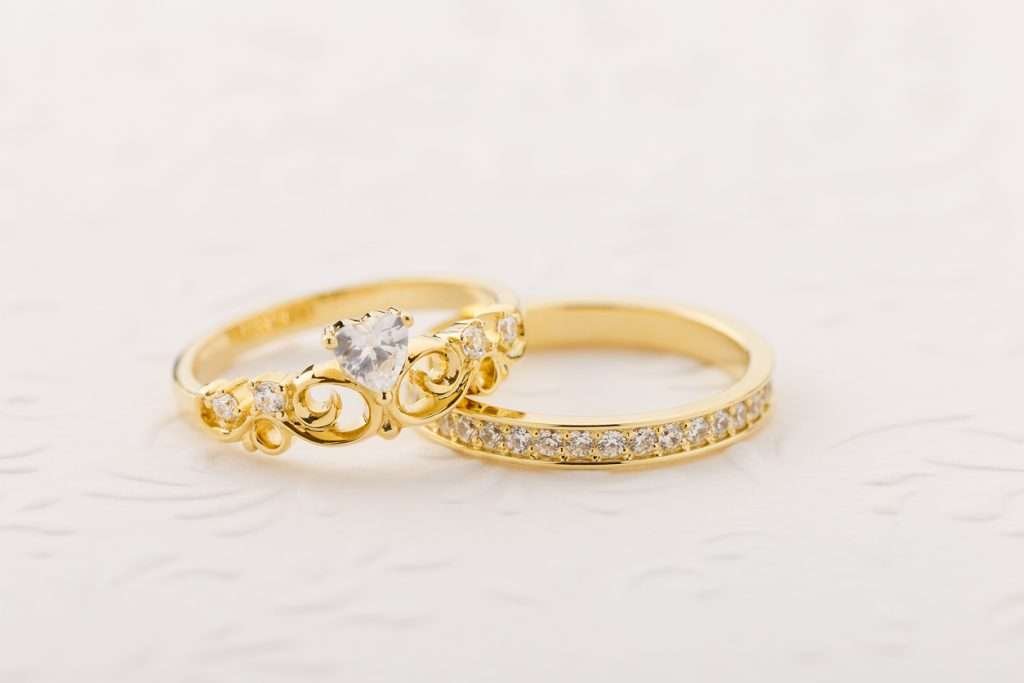
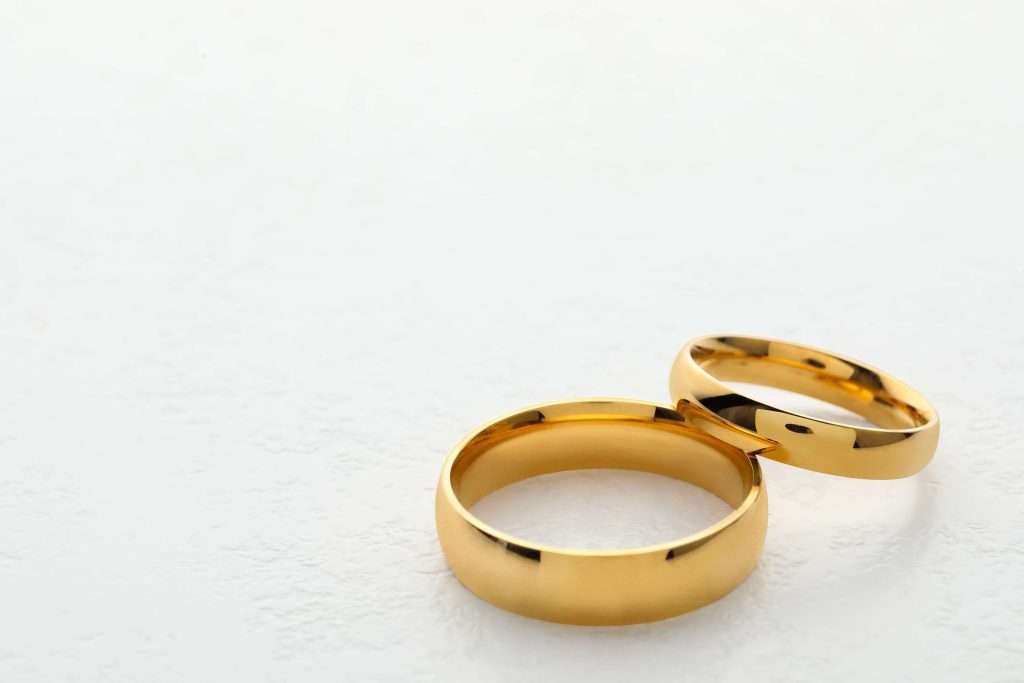
The classic choice. Yellow gold has been treasured for its hue for thousands of years across countless cultures.
White Gold
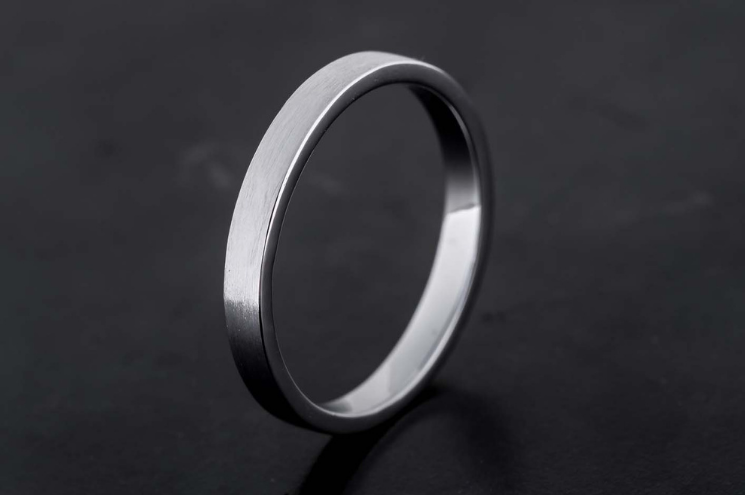
Crisp, cool, and white. White gold is a standard choice when it comes to milestone pieces like engagement rings and wedding bands.
Rose Gold
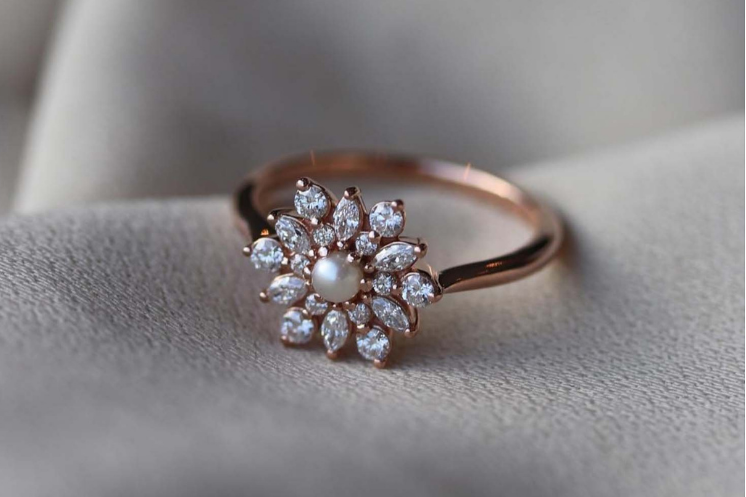
Romantic and charming, rose gold is the most distinctive hue that gold can take on.
Platinum
Luxury and prestige, platinum is renowned for its natural white luster, great durability, and value. It’s one of the most coveted metals in fine jewelry, and is great choice for heirloom grade pieces.
A Guide to Gold Karats
Gold jewelry comes in a wide range of purities, also known as karats.
White Gold vs Silver
A detailed guide comparing two popular metals—understand their value, care, and longevity.
Does Gold Tarnish?
Uncover what really happens to gold over time and get care tips to keep it looking its best.
Differences Between Solid Gold, Gold-Filled, Gold-Plated, and Vermeil Jewelry?
Gold jewelry comes in different forms, each with distinct characteristics. Learn more here.
What is Rhodium Plating?
Often overlooked but highly valued, rhodium plays a critical role in fine jewelry. Learn what makes this rare metal exceptional in both function and finish.
Platinum and its Patina
Platinum’s patina is one of its defining signatures, lending each piece a unique, soft luster over time
Types of Gold Chains
The style of a gold chain is defined by the way its links are formed and connected. Each design creates a different look and feel when worn.